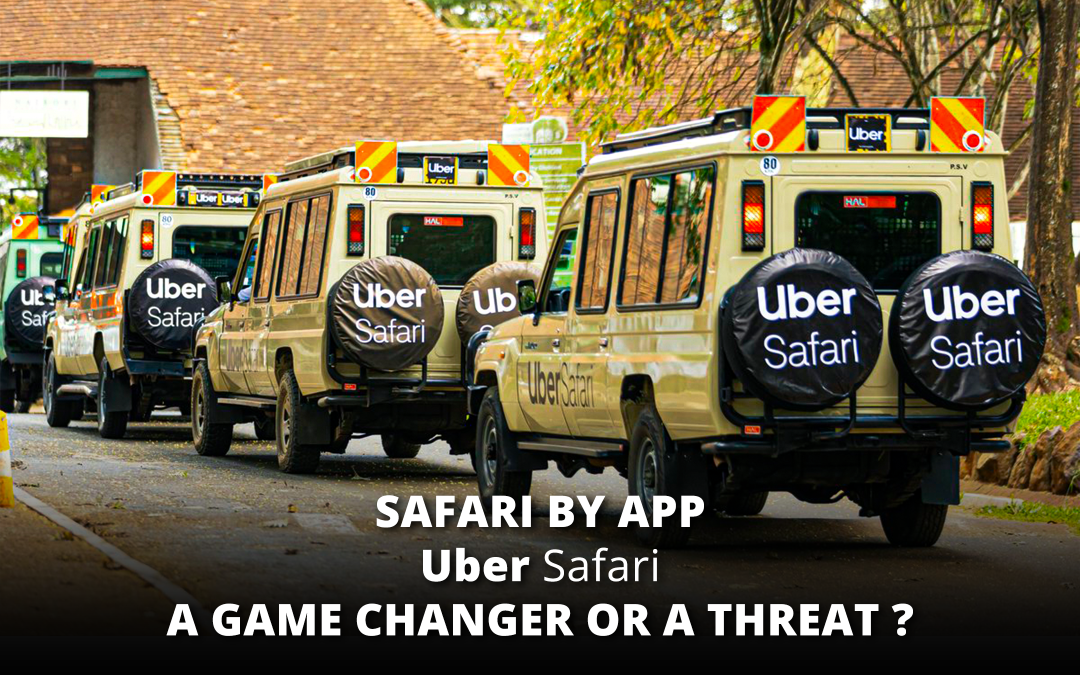
Tourism in Kenya has always been a blend of tradition and innovation. From local safari operators who curate unforgettable game drives to international platforms that connect travelers with destinations, the industry is constantly evolving. The latest addition is Uber Safari, a service now available on the Uber app in Nairobi. For $190 (Ksh 25,000), tourists can request a safari van and embark on a three-hour game drive at Nairobi National Park.
This move comes at a time when Kenya has also become visa-free for most African and Caribbean passports, making the country even more accessible. But beyond the excitement, Uber Safari raises important questions. What does this new convenience mean for the tourism transport industry, for local livelihoods, and for the sustainability of tourism as a whole?
Accessibility and Opportunity
One of the biggest barriers to safaris has always been accessibility. Booking a trip often required prior arrangements, contacts with tour operators, or referrals from hotels. With Uber Safari, this process becomes as simple as pressing a button. For visitors who may only have a few hours in Nairobi, this instant access makes a short game drive possible. It transforms the idea of a safari from a long-planned event into something spontaneous and flexible.
For Kenya as a destination, this is a strong signal. It reinforces Nairobi’s reputation as the only capital city with a national park at its doorstep, while also positioning the country as a tourism hub that embraces digital convenience. More tourists might be encouraged to include a safari in their itinerary, even with limited time, leading to a potential increase in visitor numbers at Nairobi National Park.
A Door for Local Operators
At first glance, Uber Safari might look like direct competition to local operators, but it can also present new opportunities. Safari vans are still driven by local drivers. Uber, as a platform, may connect those who were previously invisible in the digital marketplace to a wider pool of customers.
For small-scale operators, this can mean access to more bookings and new clients. It can also motivate traditional operators to innovate their offerings, blending digital booking systems with their unique, personalized safari experiences. In this sense, Uber Safari can serve as a bridge, introducing tourists to the concept of game drives before they graduate to longer, tailor-made safari packages offered by local companies.
The Challenge for the Industry
However, there are clear challenges. Safari operators who rely heavily on personalized service may feel the pressure of standardization. Tourists who choose Uber Safari might prioritize price and convenience over the curated, story-driven experiences that traditional guides are known for. This shift could reduce revenue streams for smaller operators, especially those without resources to adapt quickly.
Another concern is the balance of benefits. Will Uber Safari generate meaningful income for local drivers, or will a significant share flow out of the local economy? This remains an important question for an industry that depends on tourism not only for wildlife conservation but also for community livelihoods.
Sustainability Beyond Wildlife
Sustainability in tourism often brings to mind the protection of wildlife and natural resources. But in reality, it extends to the human side of the industry as well. Safari operators, guides, drivers, and local communities all rely on tourism as a source of livelihood. If Uber Safari grows, it will need to find a way to align with this broader sustainability picture.
There is potential for harmony. Uber Safari could act as an entry point for tourists who later invest in more immersive safaris. But there is also the risk of eroding the traditional value chain that sustains local operators. Whether it empowers or displaces communities will depend on how the service is managed, regulated, and integrated into Kenya’s tourism ecosystem.
Uber Safari is a bold innovation. It brings a new level of accessibility to Nairobi’s iconic park, while also sparking debate about the future of tourism transport in Kenya. On one side, it represents progress, convenience, and modernization. On the other, it raises questions about sustainability, equity, and the survival of local operators.
Will the benefits outweigh the drawbacks, or will traditional operators be pushed aside? For now, it is too early to tell. What is clear is that Uber Safari has shifted the conversation. Kenya’s tourism industry is adapting once again, and the world is watching closely.